
In every modern workplace today, a quiet tension exists. Picture this: a team meeting where someone born in the 1980s cautiously explores the latest AI tool, trying to understand how it fits into their workflow. Meanwhile, a colleague born in the 2000s has already experimented with three similar tools, built a prototype, and is ready to move on to the next idea.
They sit side by side, sharing goals—but operating from different motivations, comfort levels, and work styles.
This isn’t just a generational divide. It’s a broader shift in how people relate to work: shorter tenures, a rise in freelancing, and a growing preference for autonomy over permanence. So how do organisations build cultures that can hold all of this complexity—where people of different backgrounds, ambitions, and eras can not only coexist but create something meaningful together?
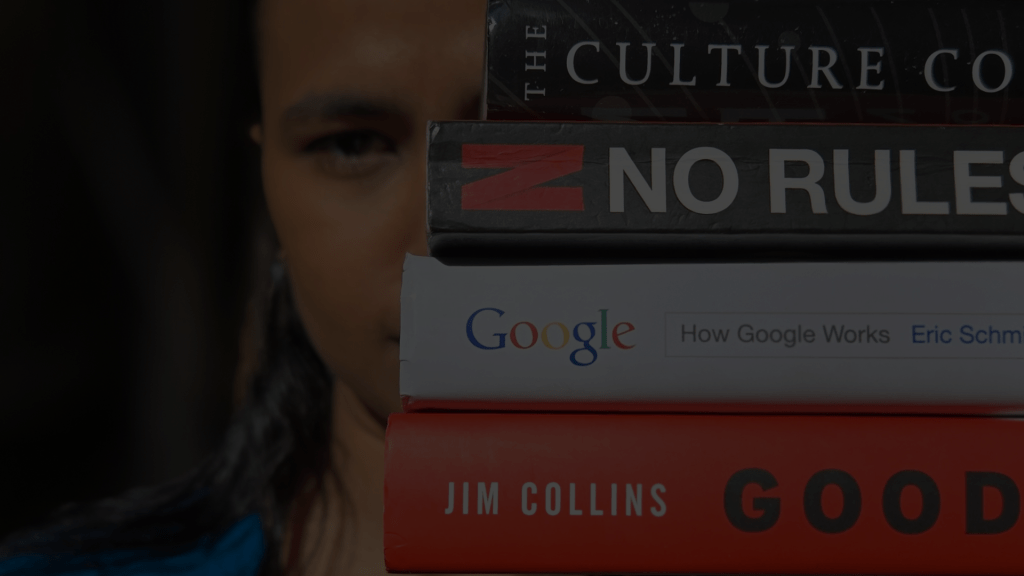
To make sense of this, I’ve been reflecting on a few books I’ve read over the years that deeply shaped how I think about workplace culture—How Google Works, No Rules Rules, The Culture Code, and Good to Great. Of course, there are many more out there, but these are the ones that came to mind as I tried to understand what still holds true—and what needs to evolve—in how we build strong, adaptable cultures today.
Start by Hiring for Alignment, Not Just Skill
“The best people want to work with the best people.”
One thing I’ve come to believe is that hiring isn’t just about qualifications—it’s about mindset. And How Google Works helped me see that clearly. Google wasn’t focused solely on experience; they sought out “smart creatives”—people with curiosity, agility, and a bias toward action.
In today’s more fluid workplace, this feels even more important.
To me, the question is: how do we identify behaviours that truly align with our values—not just skills that look good on paper?
I think organisations need to clearly define the behaviours they care about—like openness to feedback, comfort with ambiguity, or collaborative energy—and then intentionally evaluate them during hiring. When we get that right, we’re not just filling a role. We’re building culture, one person at a time.
Give People Freedom—with Responsibility and Candour
I’ve always found Netflix’s approach to culture fascinating. In No Rules Rules, Reed Hastings talks about removing unnecessary control and trusting people to make the right decisions. It’s a bold idea—freedom and responsibility, side by side.
I think this balance is still relevant now, especially as we navigate teams that are increasingly diverse in age, style, and risk appetite.
Some people thrive in unstructured environments; others find comfort in clearer systems. The real challenge—and opportunity—is in designing cultures that support different comfort levels with autonomy and risk.
What resonates with me most is the emphasis on trust. When employees feel trusted, they often rise to the occasion. And when that trust is paired with honest, respectful candour, it creates space for innovation.
Create a Culture Where It’s Safe to Try
One of the most valuable ideas I’ve picked up about culture is the importance of psychological safety—and Daniel Coyle’s The Culture Code explains this beautifully.
It’s not enough to say we value innovation. We have to create environments where people actually feel safe enough to try, speak, and sometimes fail.
To me, this means more than having a feedback session or a team retro. It means leaders and teams sending signals—consistently—that it’s okay to experiment, to not have all the answers, and to grow publicly.
We can do this across different kinds of organisations, by building feedback loops, being intentional about how we respond to failure, and encouraging open dialogue. If we want innovation, we have to create the conditions where it’s safe to experiment—not just succeed.
Build Leaders Who Create Space for Others
Jim Collins’ idea of the “Level 5 Leader” has stuck with me for a long time. These are the leaders who aren’t loud or flashy—but are deeply committed to building something bigger than themselves. In today’s fast-changing landscape, I think we need more of that.
Not every leader needs to learn every tool or trend. But they do need to create space for their teams to explore, grow, and lead.
That means:
- Hiring smart, curious people
- Giving them autonomy and clarity
- Providing psychological safety
- Modelling long-term thinking and ethical leadership
I think leadership today is less about having the answers and more about creating the environment where others can find them. That’s what makes a culture resilient.
One thing I’ve been thinking about a lot is how we often talk about “culture fit” like it’s about sameness. But in 2025—and beyond—I think the real challenge is creating space for coexistence, not conformity.
To me, it’s not about everyone working in the same way or being motivated by the same things. It’s about building bridges across those differences.
That means:
- Recognising that people define hard work differently
- Supporting different learning styles, whether that’s structured or self-led
- Creating space for two-way mentorship—where younger employees bring new tools and energy, and older ones bring depth, strategy, and long-view thinking
When teams are intentional about this kind of cultural design, diversity doesn’t become a barrier—it becomes a strength. A mix of ages, backgrounds, and ambitions can fuel creativity and resilience—if we choose to build a culture that lets them work together, not against each other.
Culture is Not a Vibe—It’s a Practice
Whether you’re a legacy organisation or a new-age startup, cultural challenges will always exist. What worked yesterday may not work tomorrow. But some things endure.The best cultures are not static—they are practised, adapted, and lived out daily. They are made stronger by leaders who don’t just demand performance but foster trust. By teams that don’t seek uniformity but unity. And by a workplace that doesn’t silence the past or resist the future—but builds space for both.In the end, it’s not about making one generation more like the other.
It’s about building together—with courage, care, and culture that grows with us.
 The Tenacious Flow